Exploring the historical evolution of gambling through time and culture
Origins of Gambling: A Glimpse into Antiquity
The history of gambling can be traced back to ancient civilizations, where games of chance were often intertwined with religious rituals and social practices. The earliest evidence of gambling appears in ancient China, where dice games were popular as far back as 2000 BCE. Similarly, the Romans and Greeks incorporated gambling into their social fabric, with games like dice and betting on gladiatorial contests. This relationship between chance and human society indicates how gambling was an intrinsic part of various cultures. In the modern landscape, platforms like betwinner offer enticing avenues for contemporary players.
In Mesopotamia, artifacts such as gaming pieces have been unearthed, dating back to 3000 BCE. These findings suggest that gambling practices were prevalent among the inhabitants of ancient Sumer. The use of dice made from animal bones is also a notable mention, revealing how early humans derived entertainment from chance. Such practices laid the foundation for what would evolve into more organized gambling methods in the centuries that followed.
The integration of gambling into cultural narratives also speaks volumes about its significance. For example, the Chinese lottery system, known as Keno, was created as a way to fund governmental projects, showcasing the practicality of gambling as a revenue source. As societies progressed, the role of gambling continued to evolve, transitioning from informal practices to more structured and regulated activities, foreshadowing its complex evolution in later periods.
The Rise of Casinos in the Middle Ages
The Middle Ages marked a significant turning point in the history of gambling. As European societies began to stabilize, the establishment of public gambling houses, known as casinos, became more common. These venues served not only as places for wagering but also as social hubs where individuals from various backgrounds could gather. The first official casino, the Ridotto, opened in Venice in 1638, providing a controlled environment for gambling that allowed for a new level of sophistication in betting.
During this period, card games gained immense popularity, particularly in France. The emergence of games like Poker and Baccarat showcased a shift toward more strategy-driven forms of gambling. This transformation reflected the changing societal values, where intellect began to play a crucial role in determining outcomes. Additionally, the gambling practices of this era often found their way into literature and art, underscoring their cultural significance and appeal.
The rise of casinos also had economic implications. They contributed to local economies through taxes and employment, establishing a connection between gambling and state revenue. This relationship would solidify as gambling practices became formalized, leading to regulations and licensing that would govern casinos for centuries to come. Ultimately, the Middle Ages were not merely a time of gaming; they set the stage for modern gambling practices that would emerge in the following centuries.
Modernization and the Global Expansion of Gambling
The 19th century marked the beginning of a modernized approach to gambling, particularly with the advent of the Industrial Revolution. As urban centers grew, so did the demand for entertainment, leading to the proliferation of racetracks and betting shops. Countries like the United Kingdom saw a surge in betting on horse racing, leading to the establishment of the Betting Act of 1853, which formalized the practice. This legislative action illustrated the growing acceptance and regulation of gambling activities.
Simultaneously, the establishment of casinos in places like Monte Carlo in the mid-19th century contributed to the glamour and allure associated with gambling. Monte Carlo became synonymous with luxury and entertainment, attracting affluent patrons from around the globe. This image of high-stakes gaming would pave the way for modern casino culture and inspire the establishment of similar venues worldwide.
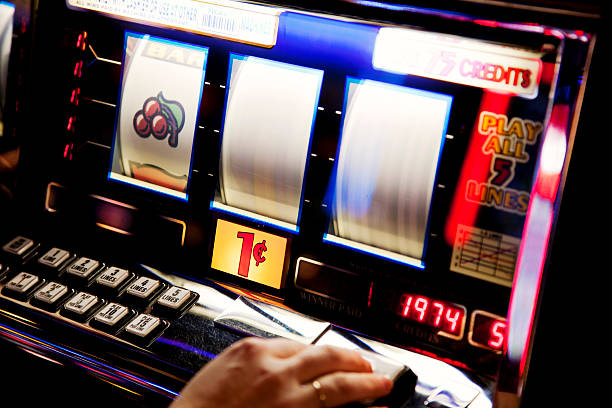
The technological advancements of the 20th century further transformed the gambling landscape. The invention of the slot machine in the late 1800s, followed by the introduction of electronic gaming machines, revolutionized how players engaged with gambling. This era witnessed a blending of entertainment and risk, making gambling accessible to a broader audience. The global expansion of gambling was marked by not only the establishment of physical casinos but also the rise of online platforms that would redefine the gambling experience in the new millennium.
The Digital Revolution and Online Gambling
The late 20th and early 21st centuries witnessed a seismic shift in gambling due to the rise of the internet. Online gambling emerged as a new frontier, allowing players to engage in various games from the comfort of their homes. This accessibility revolutionized the industry, breaking down geographical barriers and allowing users to wager on sports, casinos, and lotteries without ever stepping foot in a physical location.
Online platforms introduced innovative features such as live dealer games, providing an immersive experience that mimicked the traditional casino environment. Moreover, advancements in mobile technology allowed users to gamble on the go, leading to an exponential increase in participation. The convenience of online gambling attracted a diverse audience, reshaping the industry’s demographic profile.
Regulations began to adapt to this new landscape, with various countries enacting laws to govern online gambling. The establishment of licensing bodies ensured that online platforms operated fairly and securely. This evolution reflects a broader societal acceptance of gambling as a legitimate form of entertainment. The convergence of technology and gambling has not only changed how games are played but has also influenced the cultural perception of gambling itself, making it a mainstream leisure activity.

The Future of Gambling: An Ongoing Evolution
The future of gambling is poised for continuous evolution as technology advances and societal attitudes shift. Innovations such as virtual reality and blockchain technology are likely to shape the next phase of gambling experiences. Virtual reality could offer users an even more immersive environment, bridging the gap between online and physical gambling, while blockchain may enhance security and transparency in transactions.
Moreover, as regulatory frameworks adapt, there is potential for new forms of gambling to emerge, including esports betting and skill-based gaming. These developments could attract a younger audience, further diversifying the industry. Companies are increasingly recognizing the importance of responsible gambling, incorporating features to promote safe betting practices, which could enhance public perception.
As the gambling landscape continues to evolve, the balance between entertainment and regulation will be vital in shaping its future. This ongoing journey reflects the enduring appeal of gambling across cultures and generations, ensuring that it remains a fascinating aspect of human interaction and societal development.